Advancing Intelligent Systems for Resilient Development: BAI Technology Roadshow
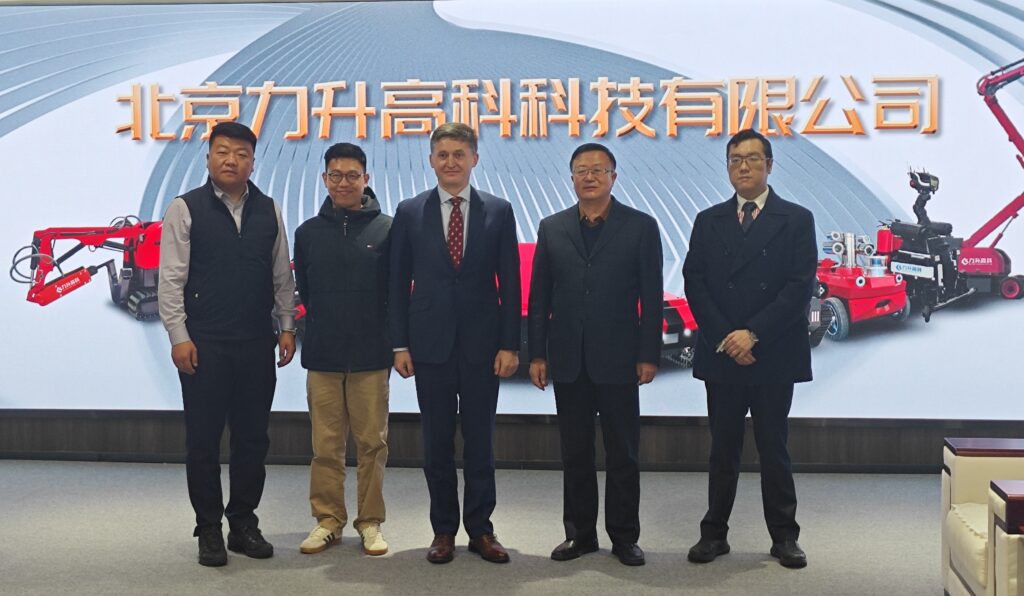
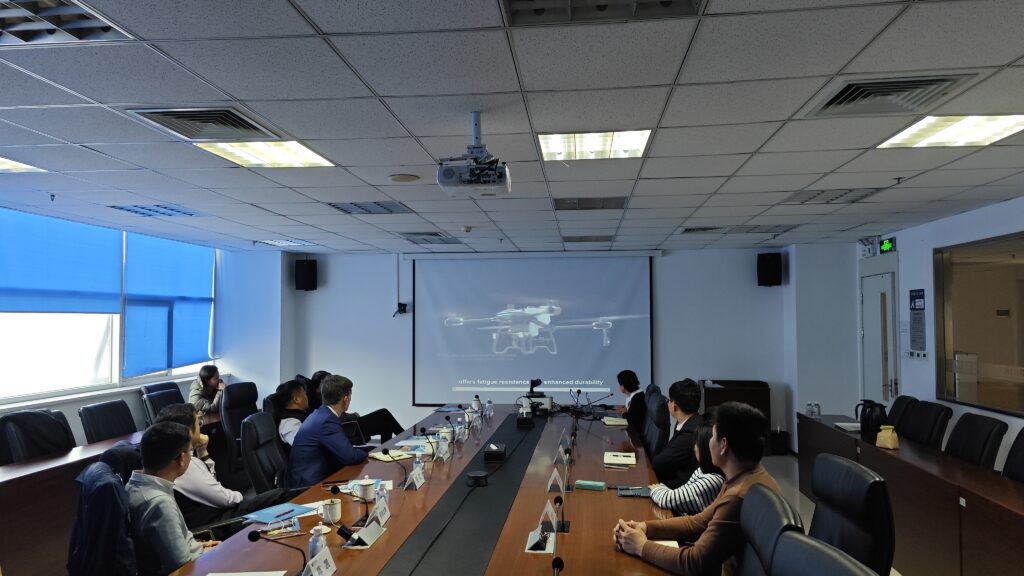
Between 4 – 15 December 2025, Ambassador Alexandru Cujba, BAI President, conducted an extensive technology roadshow across Beijing, Shanghai, Wuhan, Suzhou, and Changsha. Accompanied by representatives of the Chamber of Commerce of Science and Technology Equipment Industry of the All-China Federation of Industry and Commerce (ACFIC) and the Macao Science and Technology Industry Promotion Association, the visit included high-level meetings, technical exchanges, factory inspections, and discussions with executives, engineers, and research teams. The mission focused on exploring practical applications of robotics, AI-driven systems, and unmanned technologies, with particular attention to their relevance for international development cooperation.
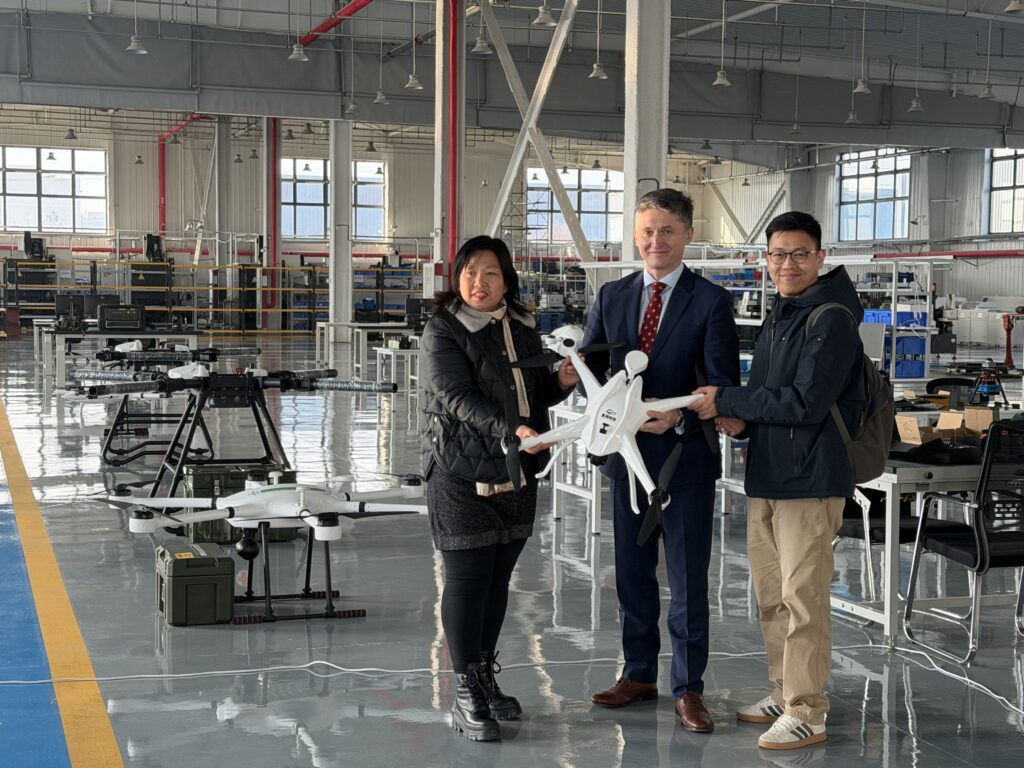
A significant segment of the roadshow examined research, development, and production facilities dedicated to air, land, and sea unmanned systems. Companies such as United Aircraft Group, Beijing Hongwuliu Technology, and Beijing Qilan Jizhi Technology showcased advanced unmanned aerial vehicles (UAVs), intelligent control systems, autonomous underwater robots, and high-performance propulsion technologies. Their solutions are already applied in disaster prevention and mitigation, powerline patrol, geological exploration, logistics, agriculture, forestry, and environmental monitoring – sectors directly linked to sustainable infrastructure and climate resilience.
In the field of emergency response and public safety, Beijing Lesen Technology demonstrated high-temperature-resistant firefighting robots capable of operating in extreme environments of up to 1000°C, replacing traditional frontline equipment and significantly enhancing responder safety. Beijing Jindiyuan Technology presented advanced anti-explosion robotic systems, including the XBOT 510 platform designed for handling hazardous materials – technologies with potential application in humanitarian assistance, peacekeeping operations, and critical infrastructure protection. Complementing these innovations, Beijing Fogsins Technology highlighted precision gyroscope systems essential for reliable navigation and positioning across UAV and autonomous platforms.
The visit also underscored the importance of human capital development in the rapidly expanding low-altitude economy. Lingyun Intelligent Control Technology presented its integrated “Theory + Practice + Industry Application” training model, supporting high-skilled operator certification in agriculture, energy, logistics, and public safety sectors – reinforcing the link between technological advancement and workforce development.
From an international development perspective, the roadshow demonstrated how intelligent unmanned systems can contribute to multiple Sustainable Development Goals, including SDG 9 (Industry, Innovation and Infrastructure), SDG 11 (Sustainable Cities and Communities), and SDG 13 (Climate Action). UAVs and autonomous robotic platforms provide scalable solutions for disaster risk reduction, environmental monitoring, agricultural optimization, and emergency response – areas aligned with UN resilience frameworks and humanitarian priorities. The engagement offered BAI valuable insight into production cycles, innovation ecosystems, and potential avenues to bridge technological divides by connecting advanced manufacturing capacities with the needs of developing economies.