Education, Research and Entrepreneurship: The Foundation of Innovation Ecosystems
During the December Technology Roadshow, Ambassador Alexandru Cujba dedicated significant attention to education, research, and entrepreneurial ecosystems – recognizing them as the foundational pillars of technological advancement. Sustainable innovation is not generated solely within factories or laboratories; it emerges from interconnected systems that combine grassroots entrepreneurship, academic excellence, and high-end industrial research.
Entrepreneurship and International Talent Integration
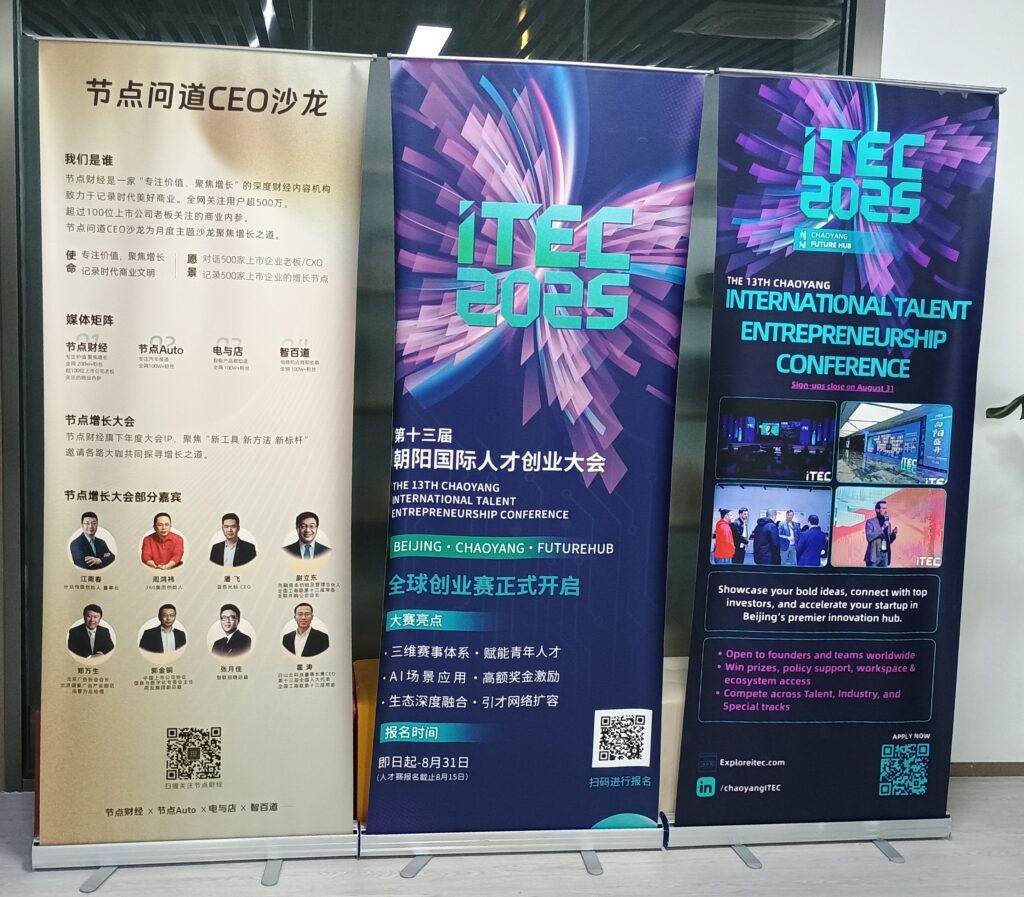
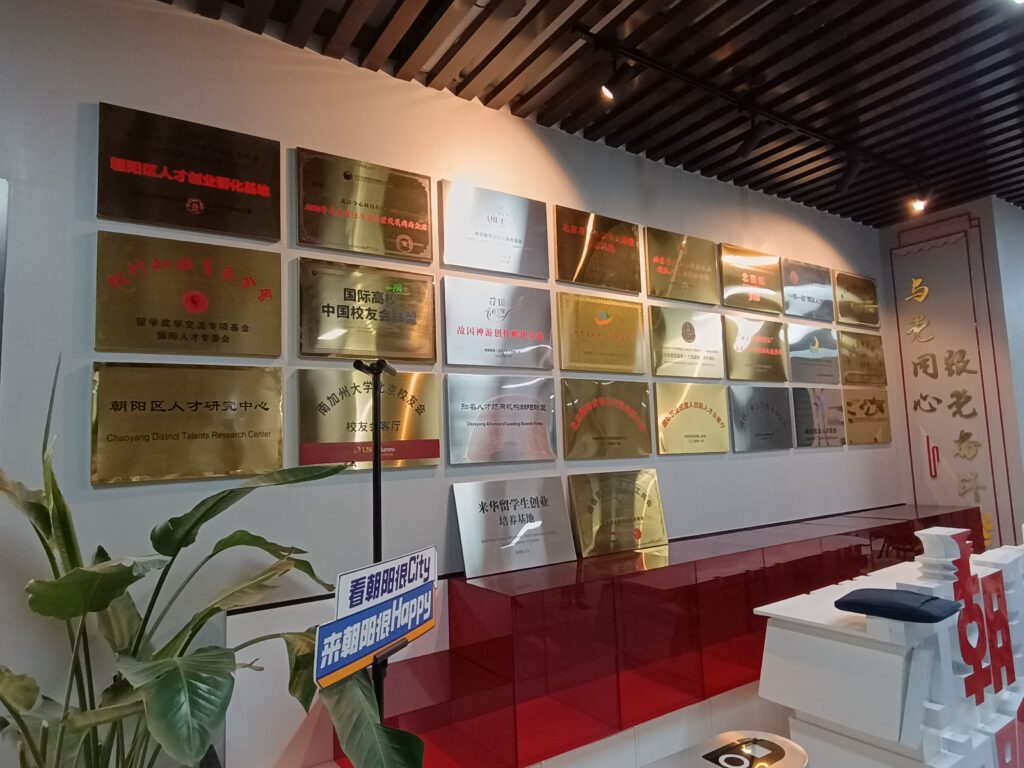
A central exchange took place with Wahed Ahmadzai, CEO of NHUB and partner at Lingxin International. Mr. Ahmadzai has contributed significantly to building platforms that support international founders in China, including the Startup Alliance, the Chaoyang International Alumni Talent Alliance, and the ITEC International Talent Entrepreneurship Conference.
These initiatives provide a structured, full-lifecycle support system within Beijing’s entrepreneurial ecosystem – connecting policy advisory services, incubation facilities, professional consulting, financial services, and global networks. During the exchange, Mr. Ahmadzai introduced the Chaoyang Startup Handbook (published December 8, 2025), a practical guide addressing more than 100 frequently asked questions related to company registration, banking, taxation, talent management, and access to local support policies.
This engagement highlighted how well-designed institutional frameworks can reduce entry barriers for foreign entrepreneurs and strengthen inclusive economic participation – directly contributing to SDG 8 (Decent Work and Economic Growth) and SDG 10 (Reduced Inequalities).
Academic Excellence and Digital Communication
The BAI delegation also visited Communication University of China, where Ambassador Cujba met with Professor Wu Dingyu, Vice Dean of the School of Advertising and Branding. Discussions focused on the transformation of media and communication in the digital era, including the decline of traditional media influence and the expanding role of social platforms and digital content ecosystems.
The exchange examined similarities and distinctions between public sector and private sector communication strategies, as well as opportunities for collaboration between academia and international organizations. Strengthening diplomats’ and institutional leaders’ skills in digital communication, branding, and online engagement was identified as increasingly essential in today’s interconnected world.
With more than 18,000 students and numerous national and Beijing-level key disciplines, the Communication University of China represents a convergence point of education, research, and digital innovation. Its role in cultivating globally competent media professionals underscores the contribution of higher education to SDG 4 (Quality Education) and SDG 9 (Industry, Innovation and Infrastructure).
High-End Research and Industrial Innovation
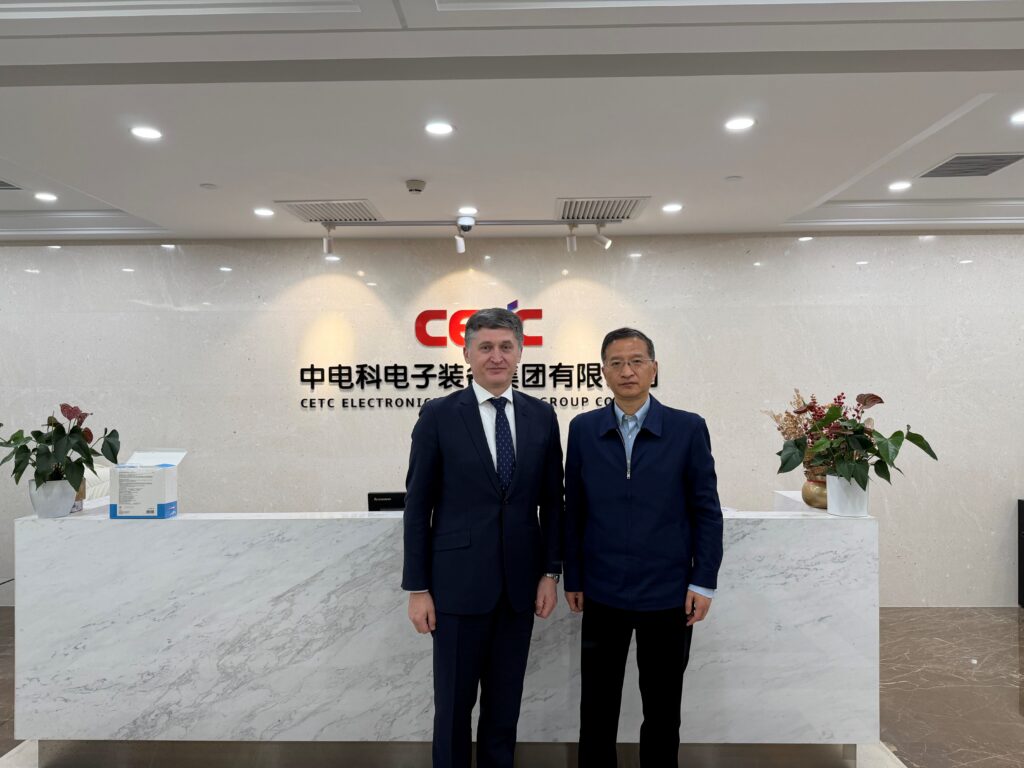
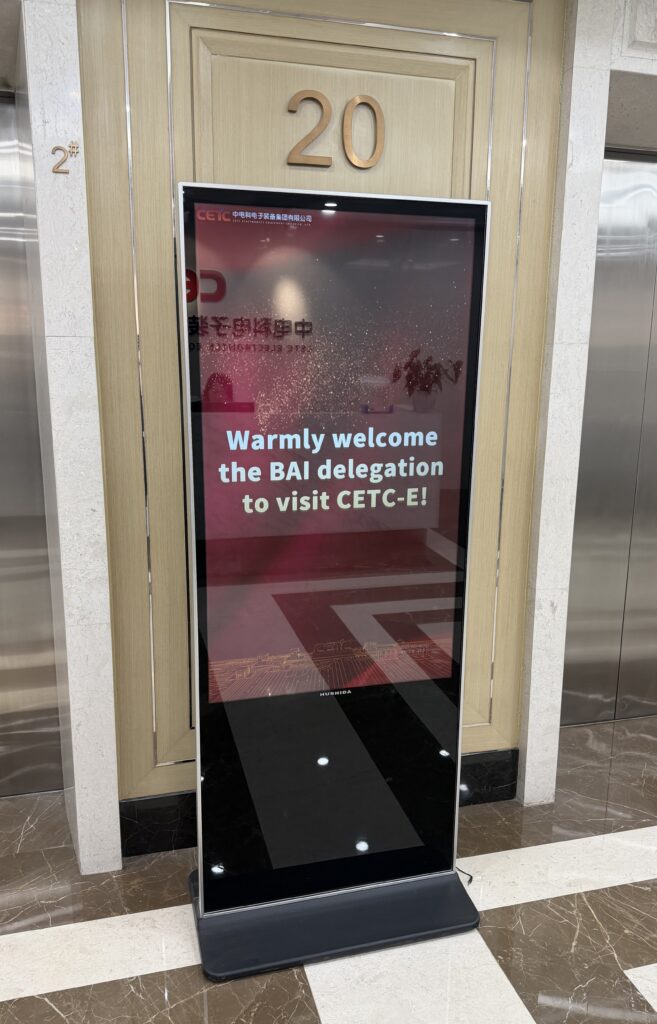
Ambassador Cujba also visited CETC Electronics Equipment Group Co., Ltd., a leading enterprise specializing in advanced electronics manufacturing and R&D, including integrated circuit and photovoltaic equipment technologies.
Mr. Wang Ping, CETC General Manager and company executives presented their integrated approach linking research, engineering, and industrialization. The discussions emphasized the importance of cultivating highly skilled scientists, engineers, and technical professionals capable of translating research breakthroughs into scalable industrial applications.
Ambassador Cujba encouraged continued academic collaboration, particularly partnerships with universities and research institutions in developing countries. Science-to-science cooperation and responsible technology transfer were identified as essential instruments for building sustainable innovation capacity globally. CETC’s model – integrating research, industrial capability, and international outreach – reflects the strategic importance of high-end R&D institutions in advancing SDG 9 (Industry, Innovation and Infrastructure) and SDG 17 (Partnerships for the Goals).
Integrating Knowledge, Talent and Industrial Capability
The educational and research segment of the roadshow reinforced a central insight: sustainable technological development depends on the alignment of entrepreneurial initiative, academic excellence, and industrial research capacity.
Grassroots innovators require structured ecosystems and policy clarity. Universities serve as talent incubators and knowledge generators. High-tech enterprises translate research into scalable solutions. When these three pillars operate in synergy, innovation becomes not only competitive but inclusive and globally relevant.
Ambassador Cujba’s engagements demonstrated that education and research are not auxiliary components of technological development – they are its core. By strengthening connections among entrepreneurs, universities, and industrial leaders, BAI continues to promote inclusive partnerships that advance technology, knowledge exchange, and sustainable development worldwide.