Roadshow: Industrial Capacity & Smart Machinery
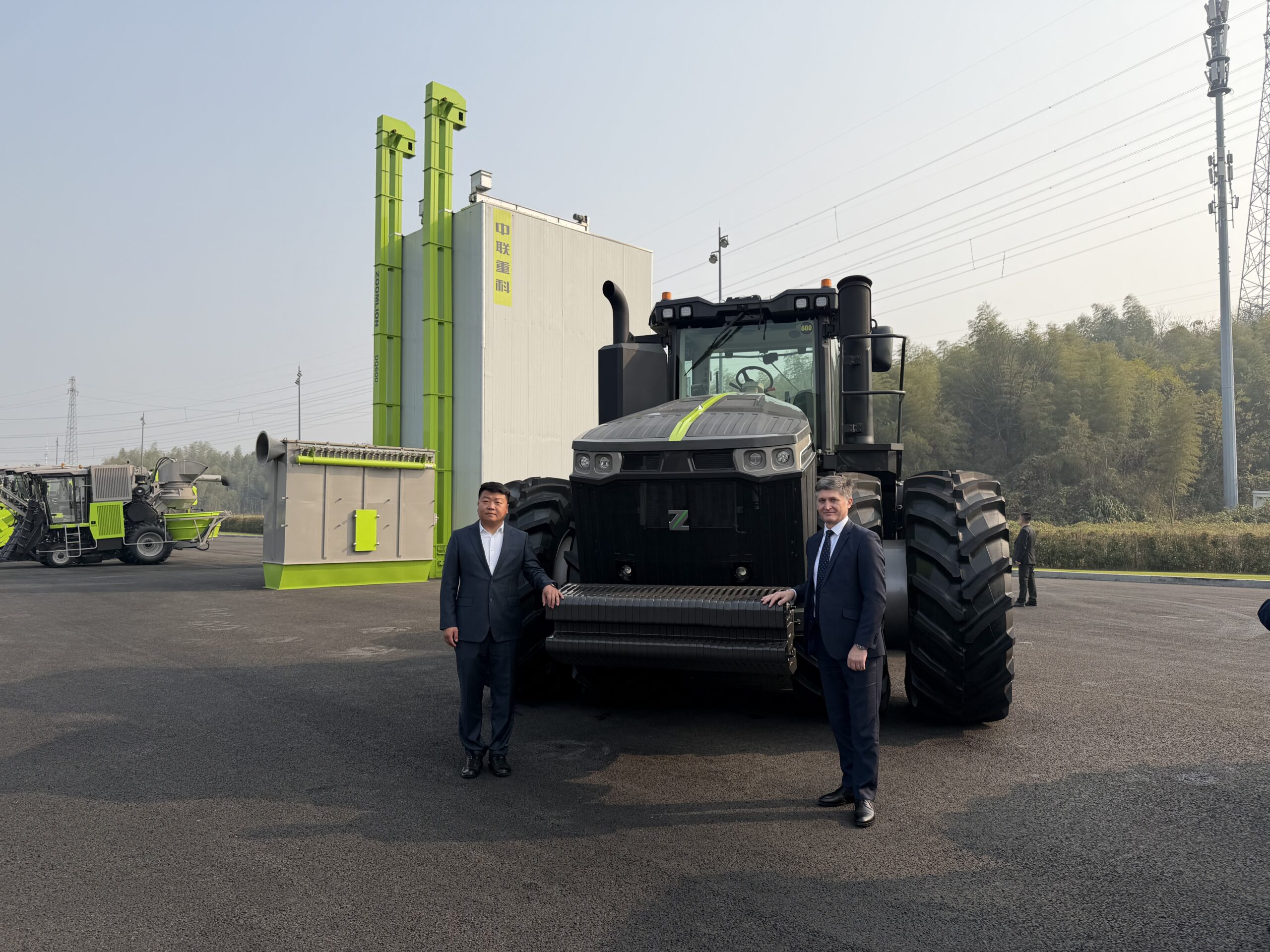
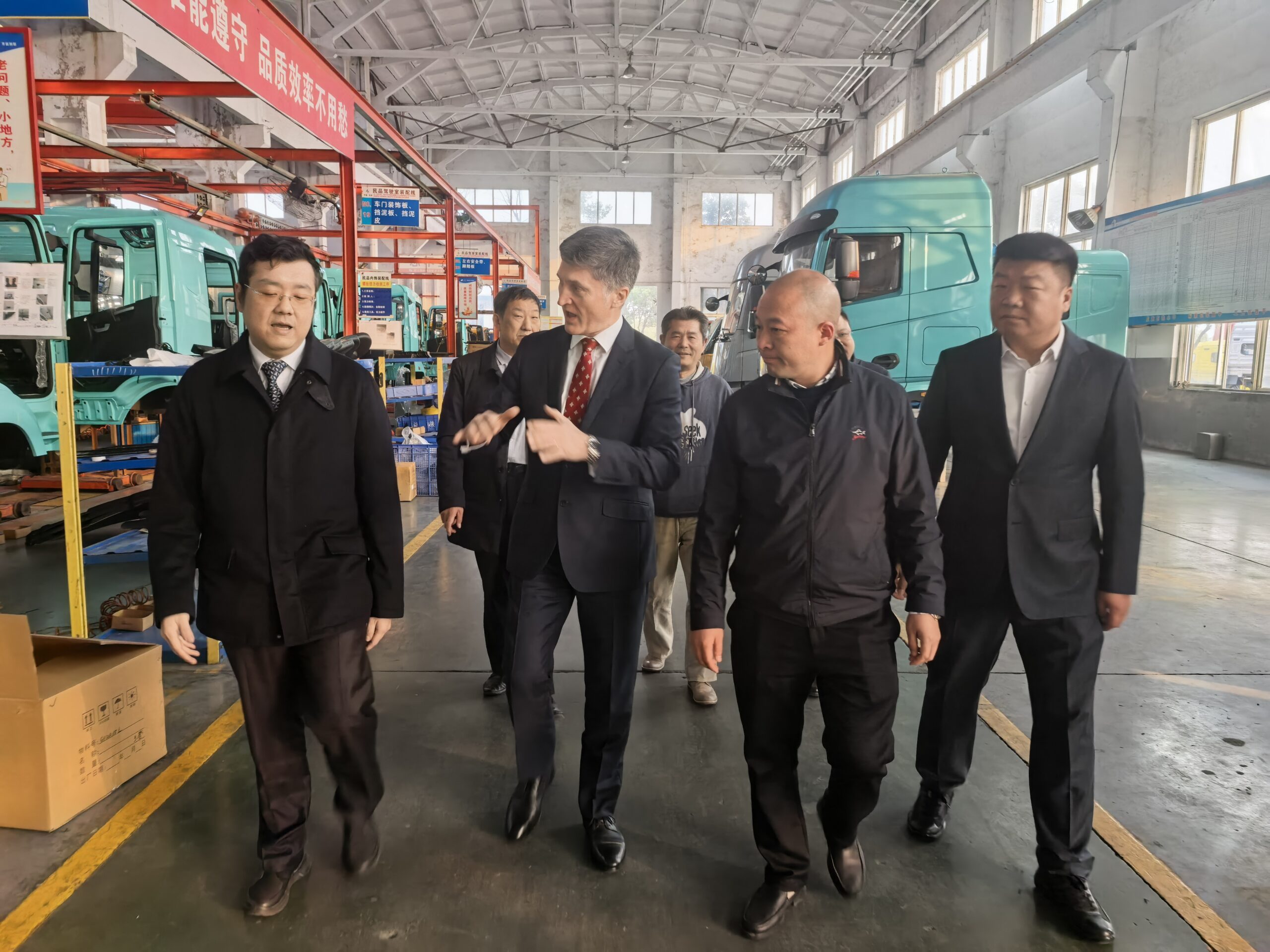
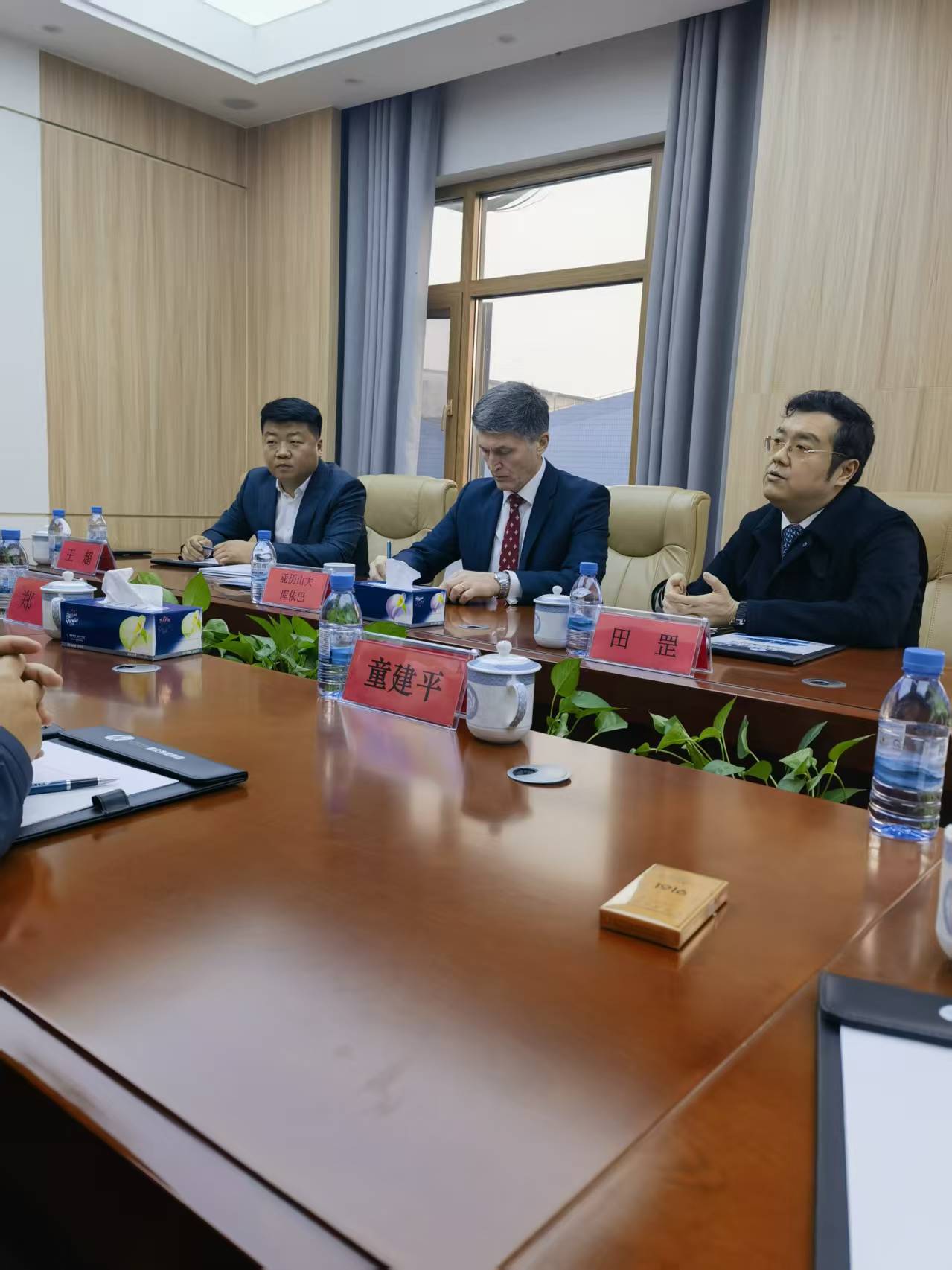
Development in the 21st century is inseparable from the availability of advanced tools, specialized machinery, and purpose-built vehicles. The design, production, and servicing of such equipment require significant investment, a strong industrial ecosystem, advanced research capacity, and a highly skilled workforce. During the December 2025 roadshow, Ambassador Alexandru Cujba and BAI team visited two major industrial groups – Zoomlion Heavy Industry Science and Technology Co., Ltd. in Changsha and Hubei Qixing Group in Suizhou, Hubei Province – both recognized for technological innovation, scale, and global reach.
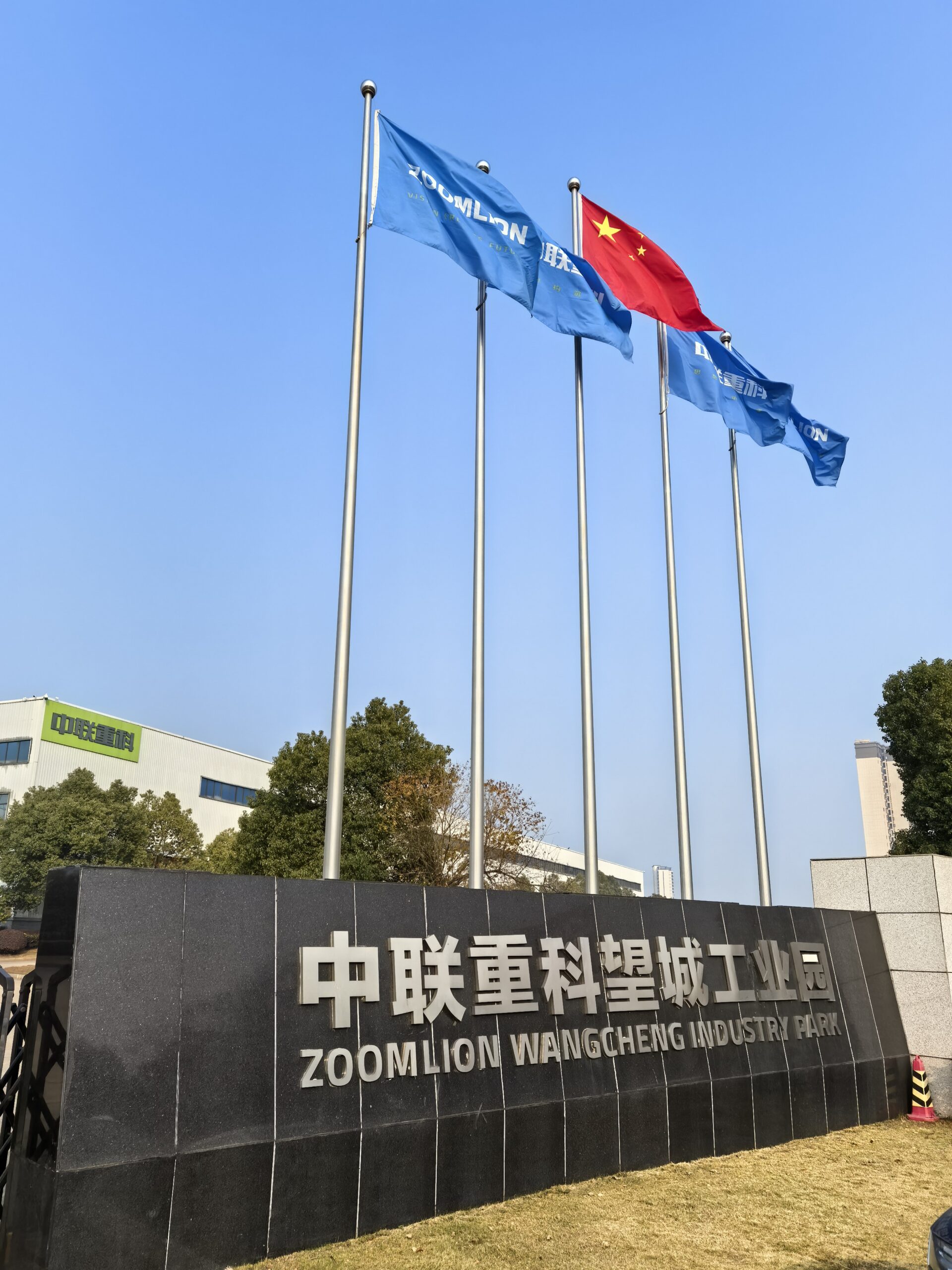
Zoomlion Heavy Industry Science and Technology Co., Ltd. is a premier global manufacturer, consistently ranked among the top 5 – 10 construction machinery companies worldwide. Operating in more than 140 countries and regions, the company maintains a diversified portfolio spanning construction cranes, concrete machinery, mobile cranes, aerial work platforms, mining equipment, and advanced agricultural systems. During the visit, Ambassador Cujba toured one of Zoomlion’s intelligent production workshops and witnessed a high degree of automation, extensive use of robotic platforms, and AI-enabled quality control systems. The integration of digital manufacturing, real-time monitoring, and data-driven optimization provides a vivid example of modern 21st century smart manufacturing – combining efficiency, precision, sustainability, and scale.
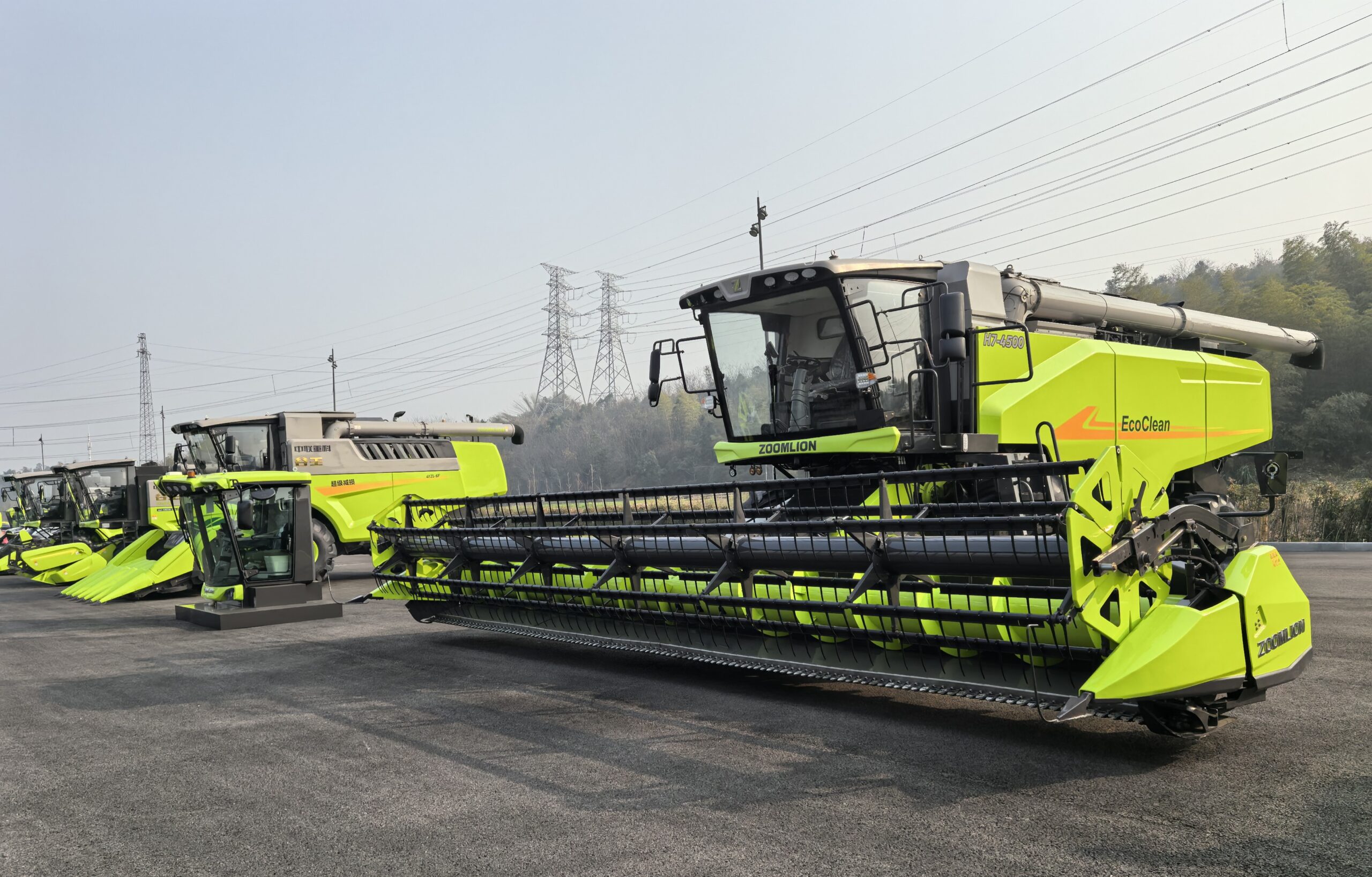
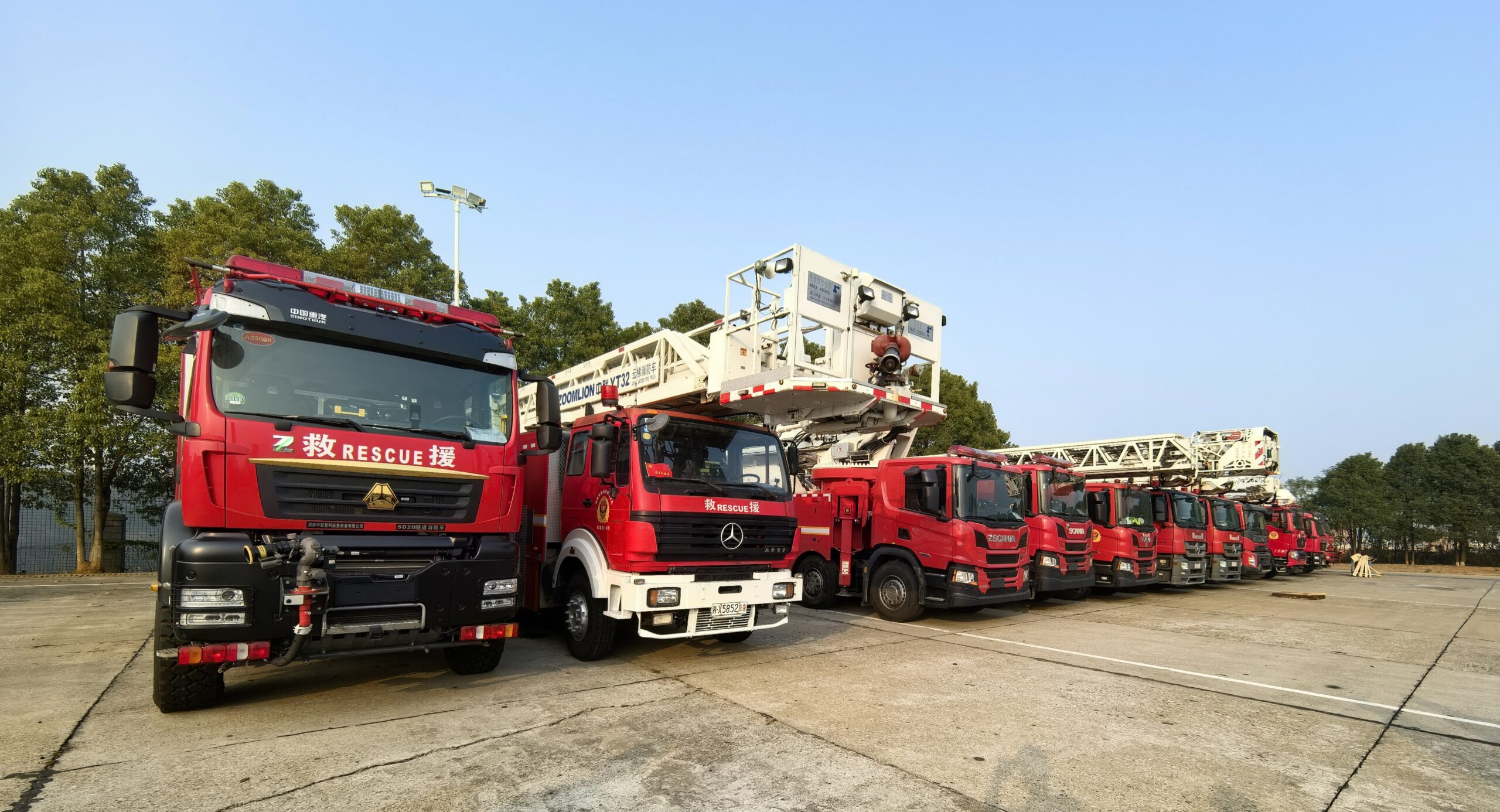
Through Zoomlion Agriculture Machinery Co., Ltd., the Group has pioneered AI-driven agricultural machinery and smart farming solutions, including intelligent harvesters and integrated data platforms supporting precision agriculture. In addition, BAI visited Hunan Zoomlion Emergency Equipment Co., Ltd., a specialized subsidiary focused on the research, development, and production of rescue and emergency response equipment. Its portfolio includes advanced firefighting vehicles, high-reach rescue platforms, and integrated emergency machinery systems designed to support disaster response and public safety operations. This diversification into emergency equipment underscores Zoomlion’s capacity to apply heavy industry expertise to resilience and humanitarian contexts.
In Suizhou, the delegation toured Hubei Qixing Group, a large enterprise founded in 1980 that has evolved into a diversified high-tech industrial group. With more than 20 subsidiaries and over 2,500 employees, Qixing integrates automobile cab production, special vehicle chassis manufacturing, customized truck modification, tank trucks, CNC equipment, three-dimensional parking systems, precision casting, and photovoltaic materials production. Its substantial annual output across vehicle bodies, specialized modifications, and precision components reflects a robust manufacturing base capable of serving domestic and international markets.
Both companies demonstrated intensive use of robotics, AI-assisted design, and intelligent manufacturing systems across their production chains. Their products – ranging from agricultural and mining machinery to firefighting vehicles, rescue equipment, and customized industrial transport platforms – are exported to numerous countries, supported by continuous improvements in quality standards, after-sales service, and spare parts networks.
From an international development perspective, advanced industrial machinery and specialized vehicles are essential enablers of SDG 2 (Zero Hunger), SDG 8 (Decent Work and Economic Growth), SDG 9 (Industry, Innovation and Infrastructure), and SDG 11 (Sustainable Cities and Communities). Agricultural mechanization supports food security; construction equipment underpins infrastructure expansion; and emergency rescue machinery strengthens national resilience systems. The visits provided BAI with valuable insight into how intelligent manufacturing ecosystems and high-end equipment production can contribute to sustainable infrastructure development, modernization of agricultural value chains, and enhanced disaster response capacity in developing economies.