BAI Contributes to Discussions on Inclusive Digital Transformation and Public Value
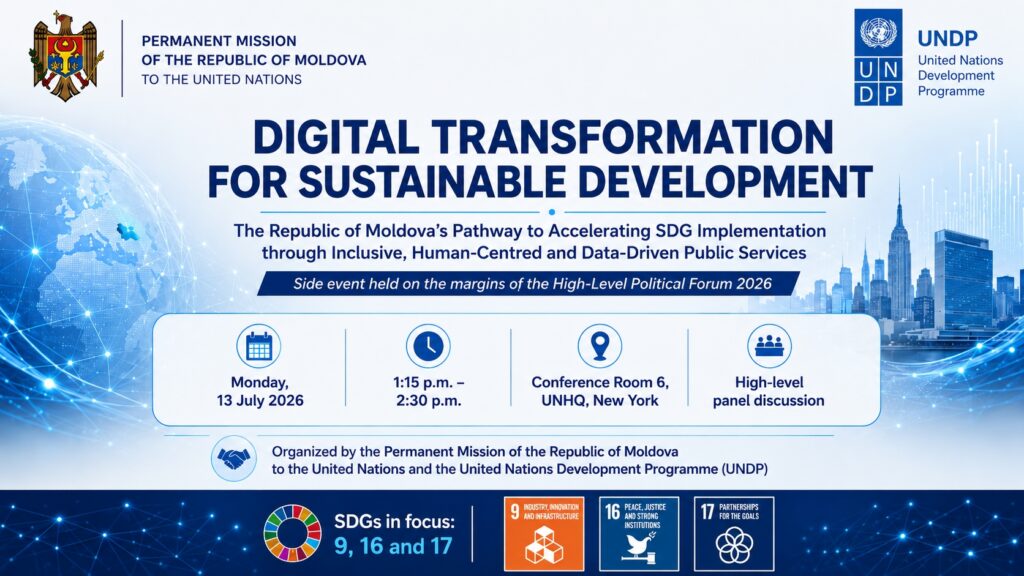
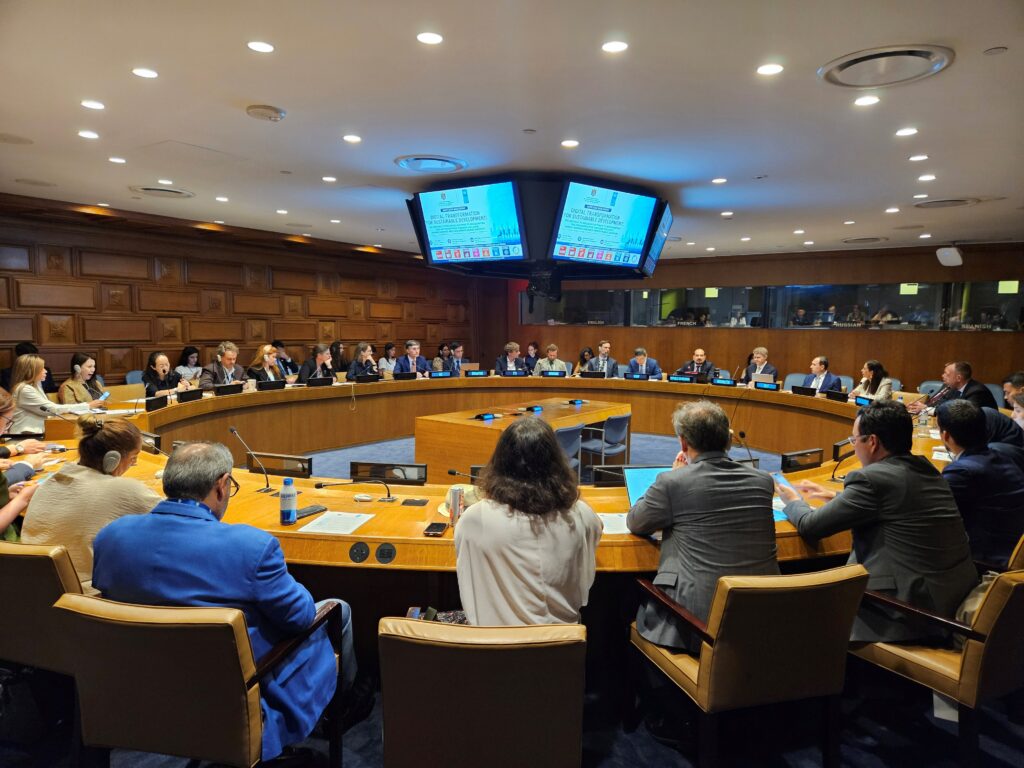
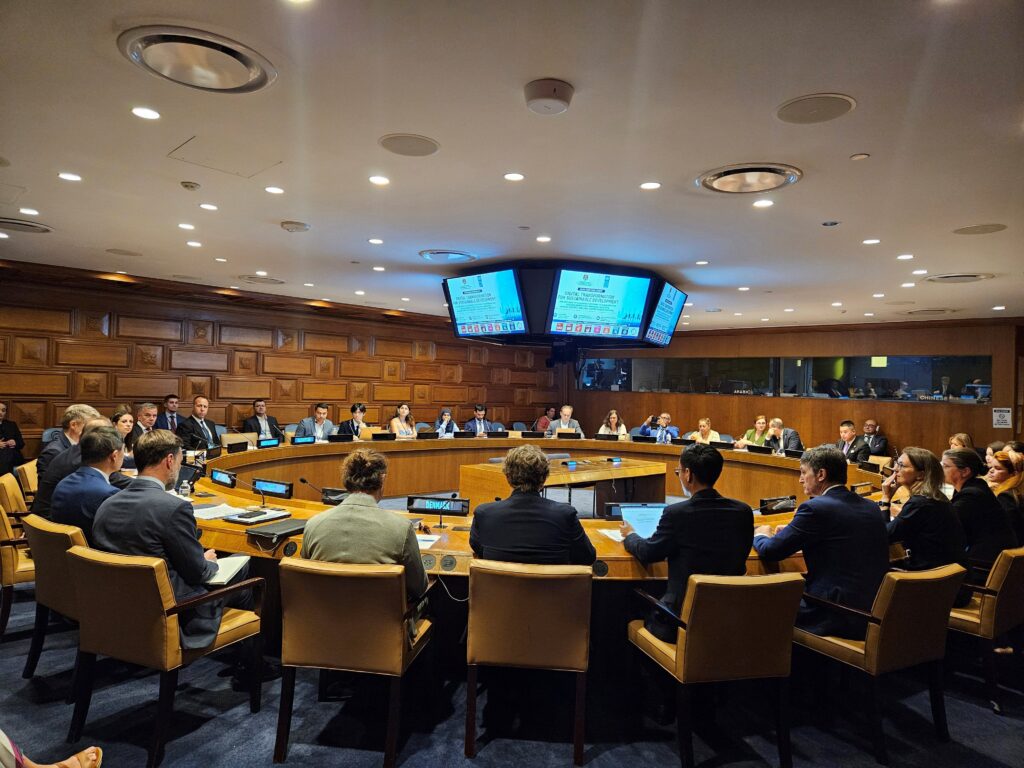
Blockchain Alliance International participated in the high-level side event “Digital Transformation for Sustainable Development: The Republic of Moldova’s Pathway to Accelerating SDG Implementation Through Inclusive, Human-Centred and Data-Driven Public Services,” held at United Nations Headquarters on the margins of the 2026 High-Level Political Forum on Sustainable Development. The event was organized by the Permanent Mission of the Republic of Moldova to the United Nations and the United Nations Development Programme (UNDP) and brought together representatives of governments, the United Nations system, international organizations and civil society to examine how digital technologies can strengthen public institutions, improve service delivery, support evidence-based policymaking and expand access to public services.
The discussion was moderated by Mr. Robert Opp, Chief Digital Officer of UNDP, who referred to Moldova’s experience with UNDP-supported digital readiness assessment and emphasized the importance of partnerships in creating sustainable digital ecosystems. Participants at the event examined how stronger partnerships among governments, the UN system, development partners, civil society, academia with the private sector can support mutually reinforcing public and development objectives. A recurring message throughout the event was that digital transformation should not be understood primarily as a technology project, but rather as a broader process of institutional modernization centered on people, inclusion and public value.
Representing the Republic of Moldova, Mr. Alexei Buzu, Secretary General of the Government, presented the country’s experience in placing digital transformation at the center of its public sector modernization efforts. He highlighted Moldova’s progress in developing electronic public services, digital identity and interoperable government platforms, strengthening data-driven governance and cybersecurity, and exploring the use of artificial intelligence in public administration.
Complementing the national perspective, Mr. Haoliang Xu, United Nations Under-Secretary-General and UNDP Associate Administrator, emphasized both the opportunities and challenges associated with digital transformation. Particular attention was given to the importance of public trust, institutional capacity and high-quality data in ensuring that technological change leads to better decisions and better outcomes for people.
“Digital transformation is not primarily a technological challenge. It is a partnership challenge.”
Representing Kazakhstan, H.E. Mr. Kairat Umarov, Permanent Representative of the Republic of Kazakhstan to the United Nations, stressed the importance of preserving artificial intelligence as an area of international cooperation rather than technological separation. He also welcomed the newly launched AI for Good Global Commission, established in July 2026 within the ITU-led AI for Good ecosystem to bring together senior leaders from governments, international organizations, industry and other sectors around practical pathways for trusted and beneficial AI. Kazakhstan’s intervention also highlighted the importance of regional digital cooperation and the development of institutional capacity in Central Asia.
BAI Founder and Executive President Ambassador Alexandru Cujba contributed to the panel with remarks entitled “Partnerships for Inclusive Digital Transformation: Turning Innovation into Public Value.” Drawing on the outcomes of the BAI workshop “AI Transformation and the Future of Public Institutions: From Theory to Implementation,” held at UN Headquarters on 3 June 2026, he emphasized that digital transformation should not be viewed primarily as a technological challenge, but as a partnership challenge. Successful transformation requires visionary leadership, trusted institutions, skilled people, reliable digital infrastructure and effective cooperation among governments, international organizations, academia, the private sector and civil society.
For developing countries and small states, BAI emphasized the potential of artificial intelligence and digital solutions to support technological leapfrogging. Rather than attempting to reproduce every stage of technological development or independently build every layer of digital infrastructure, countries can focus on trusted applications, cloud services, institutional capacity and international partnerships that directly improve public administration and public services. Such an approach can make digital transformation faster, more affordable and more inclusive.
BAI also reiterated the importance of the United Nations as an inclusive platform where all countries – not only major technology powers – can participate in shaping the digital future. Through initiatives such as the Global Digital Compact and the Global Dialogue on AI Governance, the UN system can help connect global standards with practical capacity-building and implementation. BAI reaffirmed its own mission to bring together governments, international organizations, universities, scientists, innovators and responsible private-sector leaders, translating innovation into public value and supporting implementation of the Sustainable Development Goals.
The event reinforced a message increasingly reflected across the United Nations digital agenda: technology alone cannot bridge the digital divide. Partnerships can. BAI intends to continue working with Permanent Missions, UNDP and other UN system organizations, universities, technology companies and civil society partners on practical dialogues, capacity-building initiatives and projects that bring technology closer to policymakers and policymakers closer to innovation.