BAI participates in the 2026 ECOSOC STI Forum
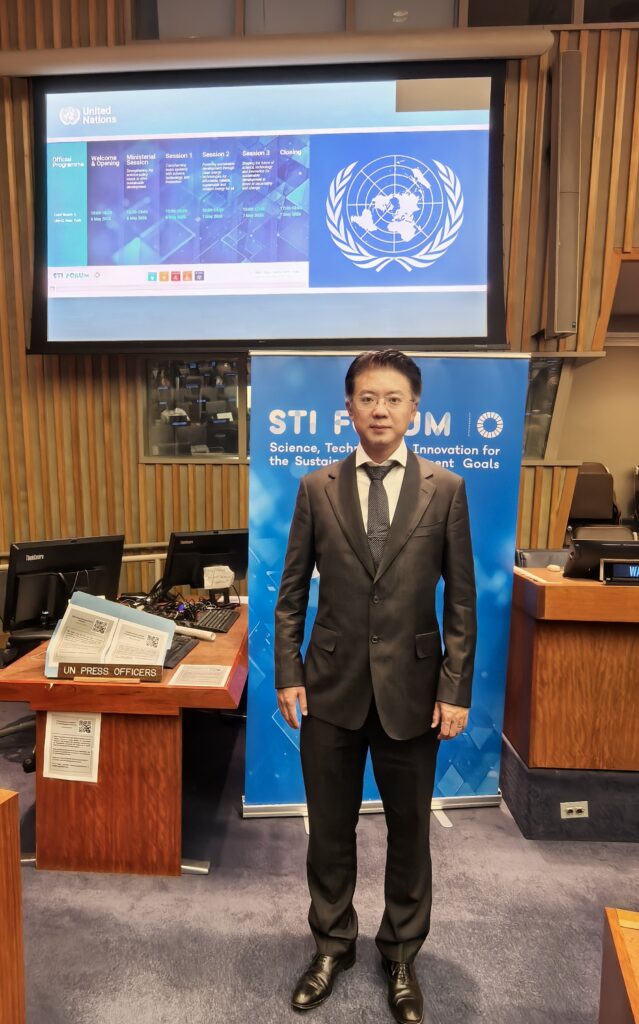
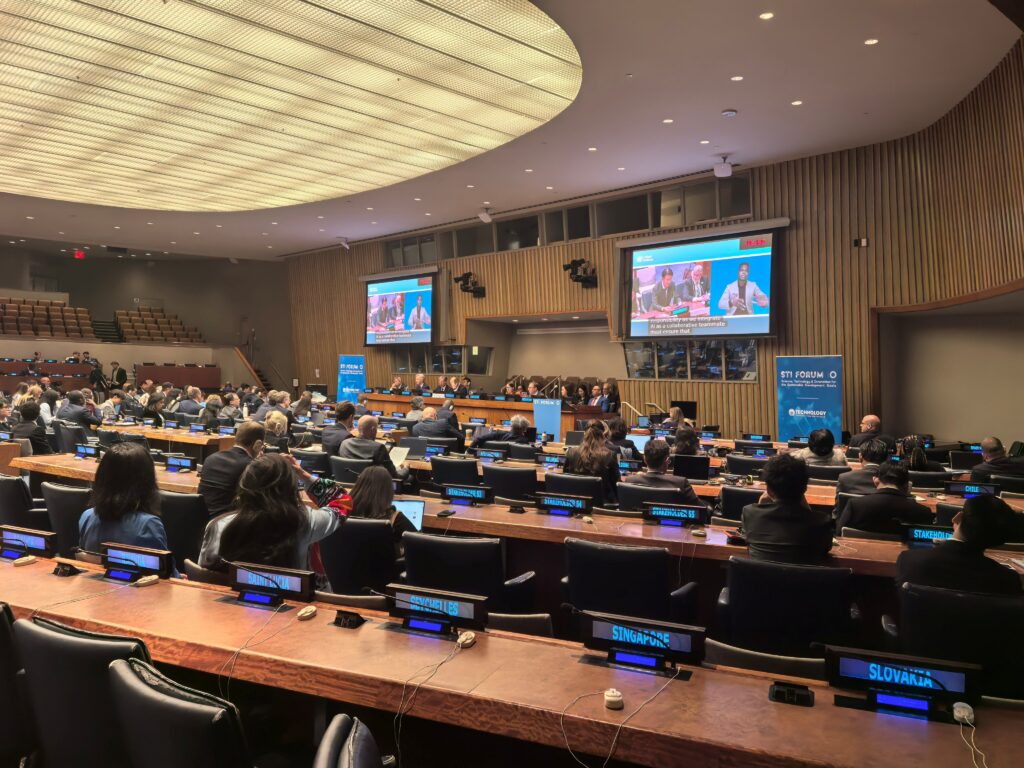
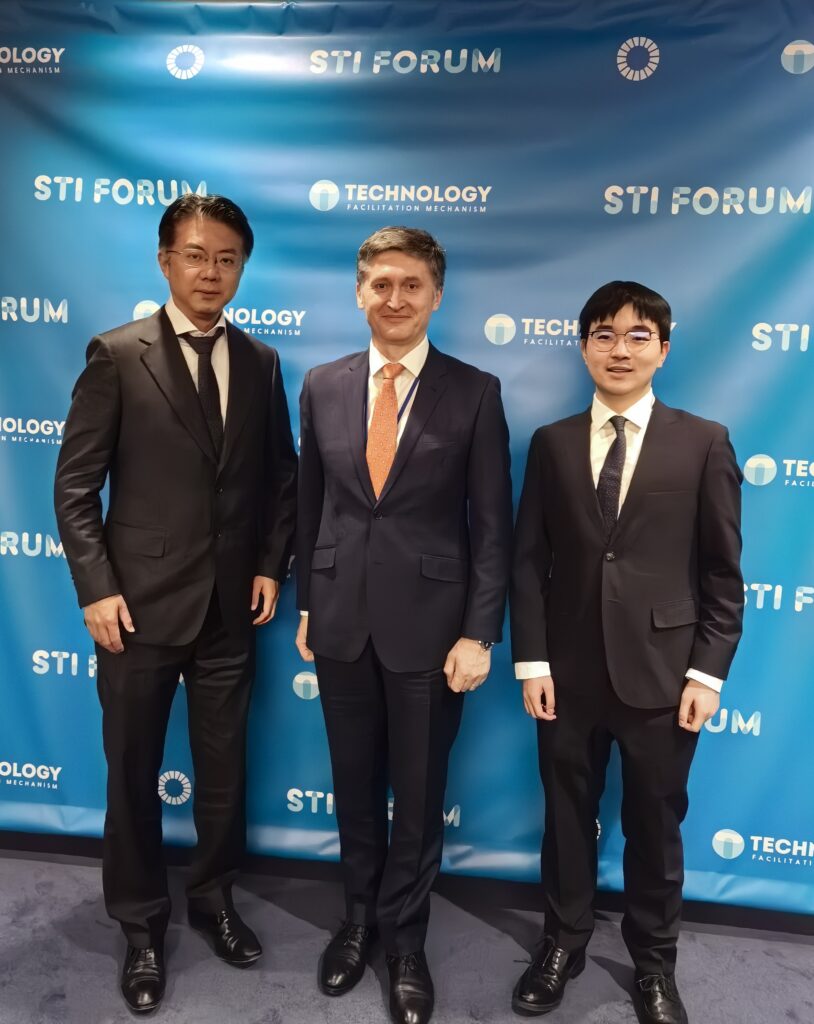
Blockchain Alliance International participated in the 2026 ECOSOC Forum on Science, Technology and Innovation for the Sustainable Development Goals (STI Forum), held at United Nations Headquarters in New York from 7 to 8 May 2026.
Convened under the auspices of the United Nations Economic and Social Council, the STI Forum serves as the principal UN platform for dialogue among governments, international organizations, academia, innovators, private sector leaders and civil society on the role of science, technology and innovation in advancing the 2030 Agenda for Sustainable Development.
The 2026 Forum brought together ministers, senior government officials, representatives of United Nations entities, scientists, researchers, entrepreneurs and development practitioners to discuss how science, technology and innovation can help address global challenges and accelerate progress toward the Sustainable Development Goals (SDGs).
BAI actively participated in the discussions and contributed to Thematic Session 3, “Shaping the Future of Science, Technology and Innovation for Sustainable Development in Times of Uncertainty and Change.” The session examined emerging technological trends, innovation ecosystems and the growing role of artificial intelligence in addressing development challenges and strengthening institutional capacities.
On behalf of BAI, Dr. Chong Li, Chairperson of the BAI Technology and Innovation Committee, Professor of Electrical Engineering at Columbia University, and Founder and CEO of OORT, delivered a statement highlighting the transformative impact of artificial intelligence, AI agent systems and community-driven data ecosystems on organizations, governments and international institutions.
Dr. Li noted that recent advances in AI are enabling a transition from traditional organizational models toward more agile, efficient and adaptive systems. He emphasized that AI-powered tools have the potential to significantly improve productivity, strengthen institutional capacity and support public service delivery, allowing organizations to achieve outcomes that previously required substantially greater resources.
Particular attention was devoted to the opportunities that AI presents for developing countries. Dr. Li highlighted the potential of AI-enabled solutions to help countries leapfrog legacy systems and accelerate digital transformation. He also underscored the growing importance of data as a strategic resource in the AI era and pointed to emerging community-driven data platforms that can expand access to high-quality datasets while creating new economic opportunities and digital livelihoods across the Global South.
At the same time, the statement emphasized that technological advances raise important policy questions related to governance, workforce transformation, digital sovereignty, equitable access and privacy. Addressing these challenges requires close cooperation among governments, academia, the private sector and the United Nations system. Dr. Li stressed that innovation must remain guided by the principles of human dignity, safety and inclusivity, ensuring that artificial intelligence enhances rather than diminishes human agency.
The discussions at the STI Forum closely reflected many of the themes that are currently shaping international debates on artificial intelligence within the United Nations. They also reinforced the importance of the recently established Global Dialogue on Artificial Intelligence Governance and the Independent International Scientific Panel on Artificial Intelligence, both created to strengthen inclusive international cooperation on AI governance and capacity-building.
BAI welcomed the opportunity to engage with Member States, United Nations entities, academic institutions and technology leaders participating in the Forum. The exchanges confirmed the growing interest in practical applications of AI for sustainable development, public administration, education, healthcare, climate action and institutional modernization.
As a non-governmental organization in Special Consultative Status with ECOSOC, BAI remains committed to supporting multistakeholder dialogue and collaboration on emerging technologies and their contribution to the Sustainable Development Goals. Building on the discussions held during the STI Forum and subsequent AI-related events at the United Nations, BAI will continue working with governments, international organizations, universities, innovators and private sector partners to promote responsible, inclusive and human-centered approaches to artificial intelligence.
Through its expanding network of partners and experts, BAI seeks to contribute to ongoing global discussions on AI governance, capacity-building, digital transformation and innovation for sustainable development, ensuring that the benefits of technological progress are accessible to all.