BAI strengthens partnerships at the United Nations
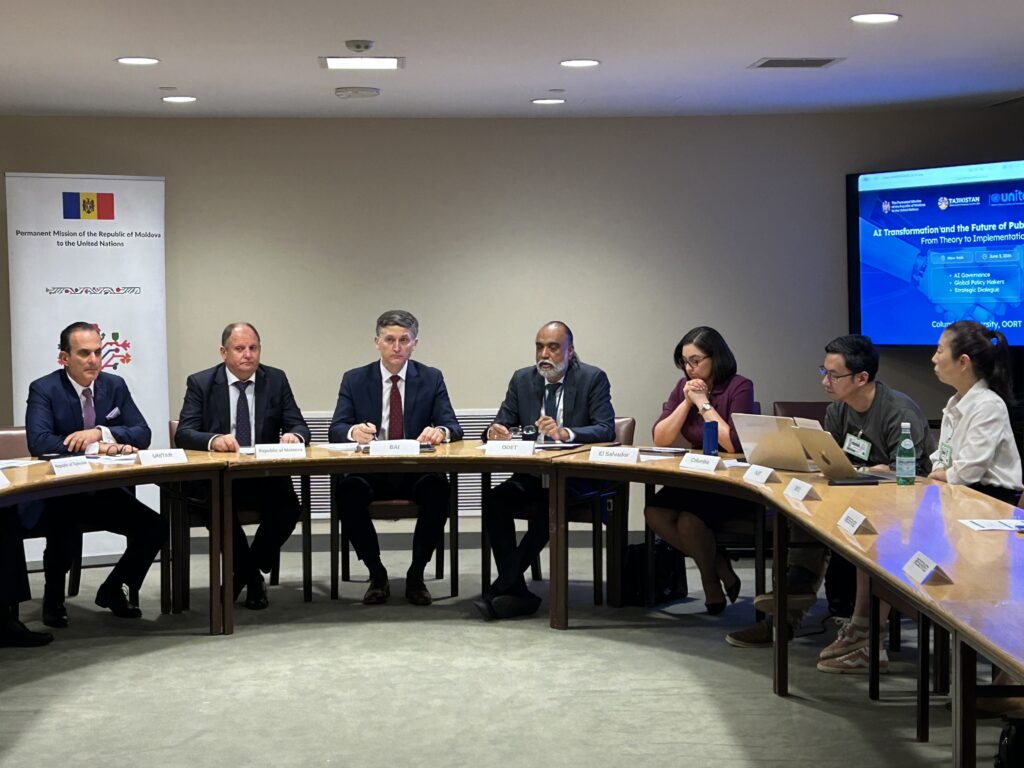
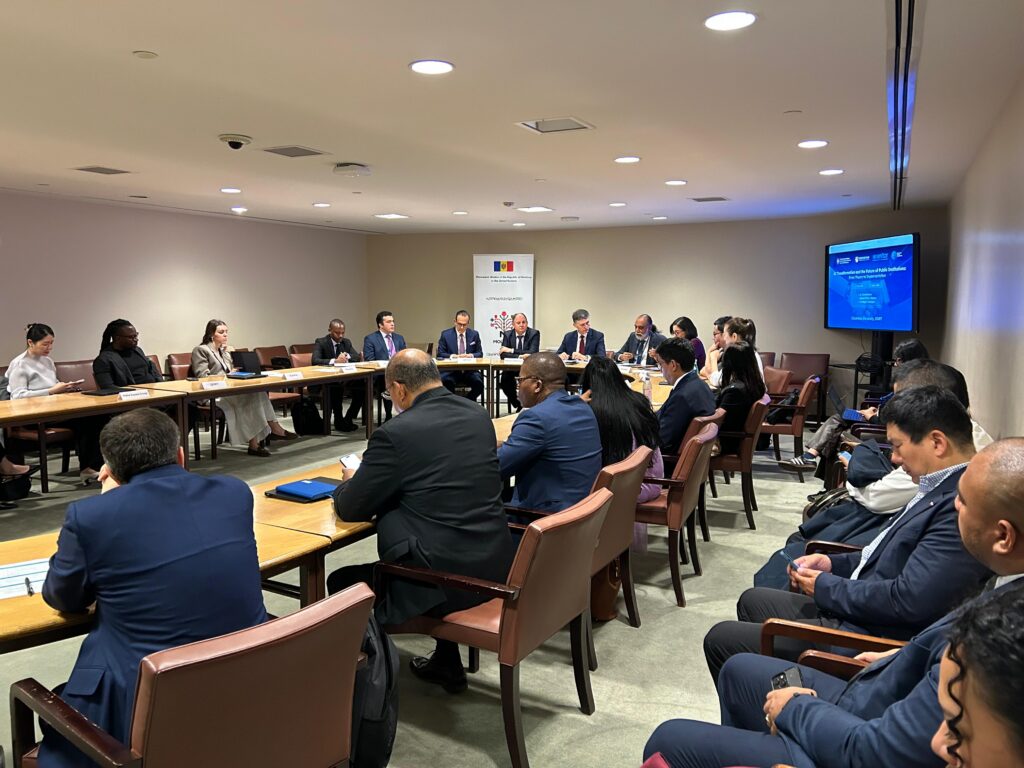
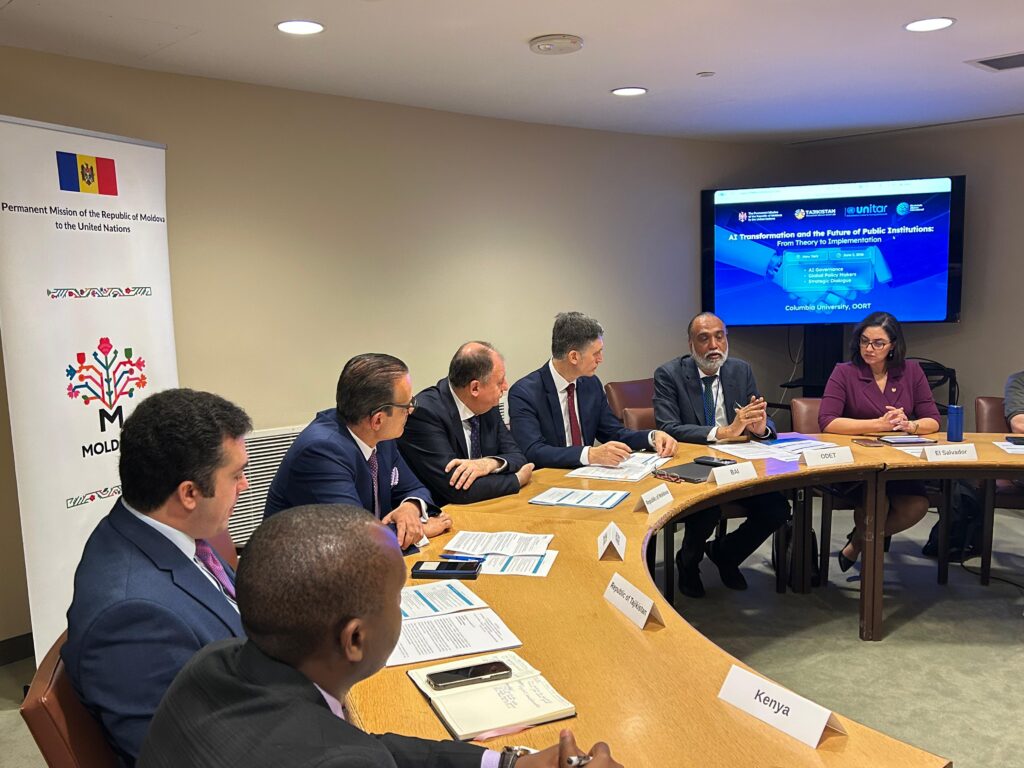
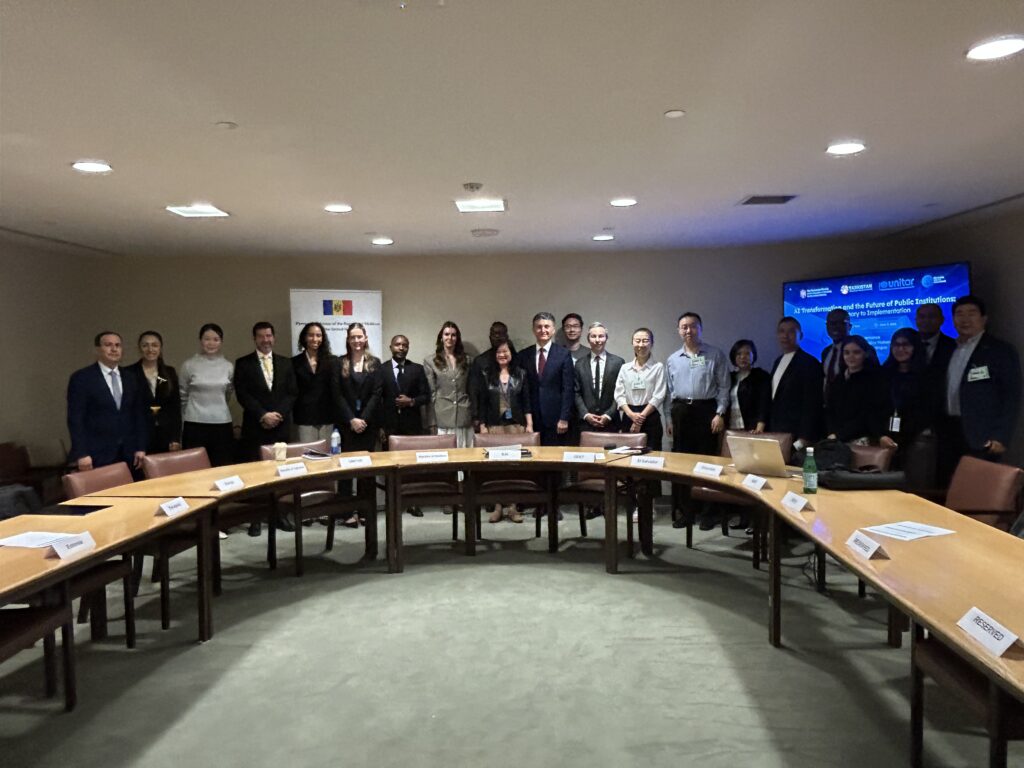
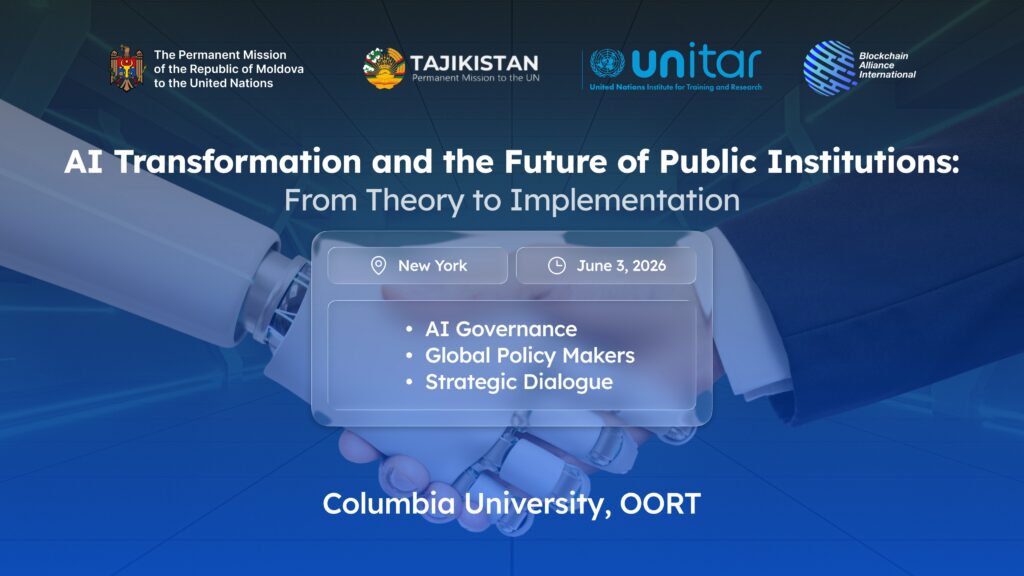
Blockchain Alliance International in partnership with the Permanent Mission of the Republic of Moldova to the United Nations, the Permanent Mission of the Republic of Tajikistan to the United Nations, and the United Nations Institute for Training and Research (UNITAR), successfully organized the workshop “AI Transformation and the Future of Public Institutions: From Theory to Implementation” at United Nations Headquarters in New York.
The workshop brought together representatives of Permanent Missions, United Nations entities, academia, technology companies, investors and civil society organizations to exchange views on the opportunities, challenges and practical implications of artificial intelligence for public institutions, public service delivery and sustainable development.
The event reflected BAI’s growing role as a platform for dialogue and cooperation among governments, international organizations, universities, scientists, innovators and private sector leaders interested in the responsible development and practical application of emerging technologies.
The opening segment featured remarks by distinguished representatives of the United Nations and Member States, including H.E. Mr. Amandeep Singh Gill, United Nations Under-Secretary-General and Special Envoy for Digital and Emerging Technologies; H.E. Mr. Gheorghe Leucă, Ambassador and Permanent Representative of the Republic of Moldova to the United Nations; H.E. Mrs. Egriselda López, Ambassador and Permanent Representative of El Salvador to the United Nations and Co-Chair of the Global Dialogue on AI Governance; Mr. Rabih El-Haddad, Director of the Division for Multilateral Diplomacy and Head of the UNITAR Representation Office in New York; and Mr. Firuz Kosimov, Deputy Permanent Representative of the Republic of Tajikistan to the United Nations.
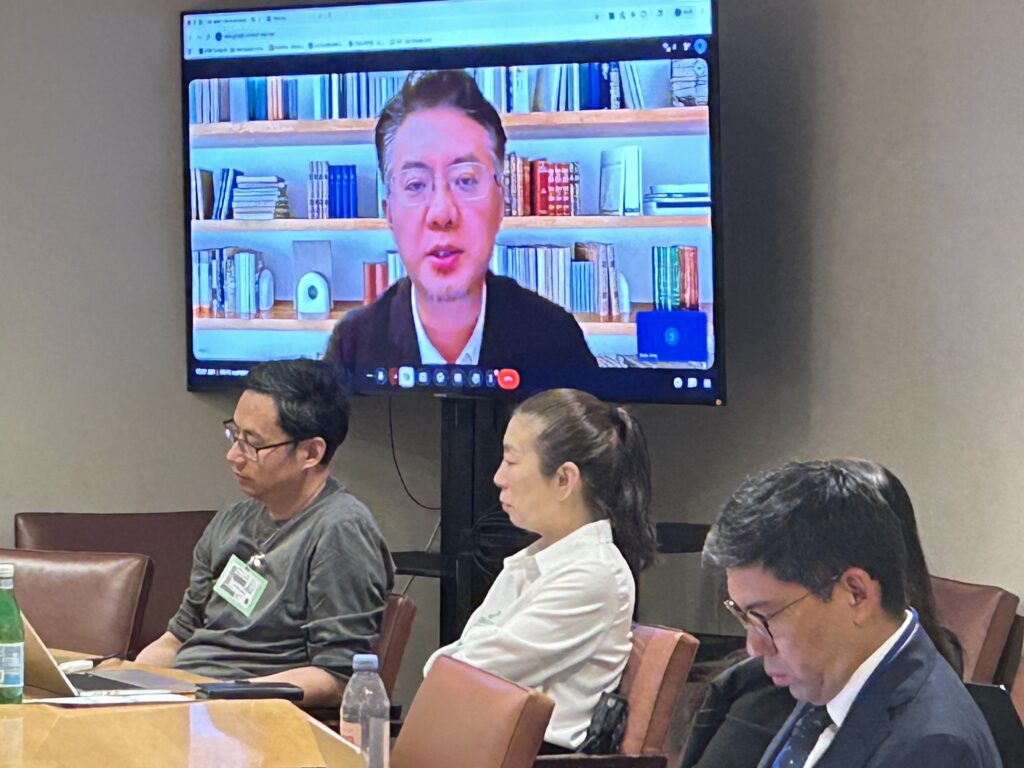
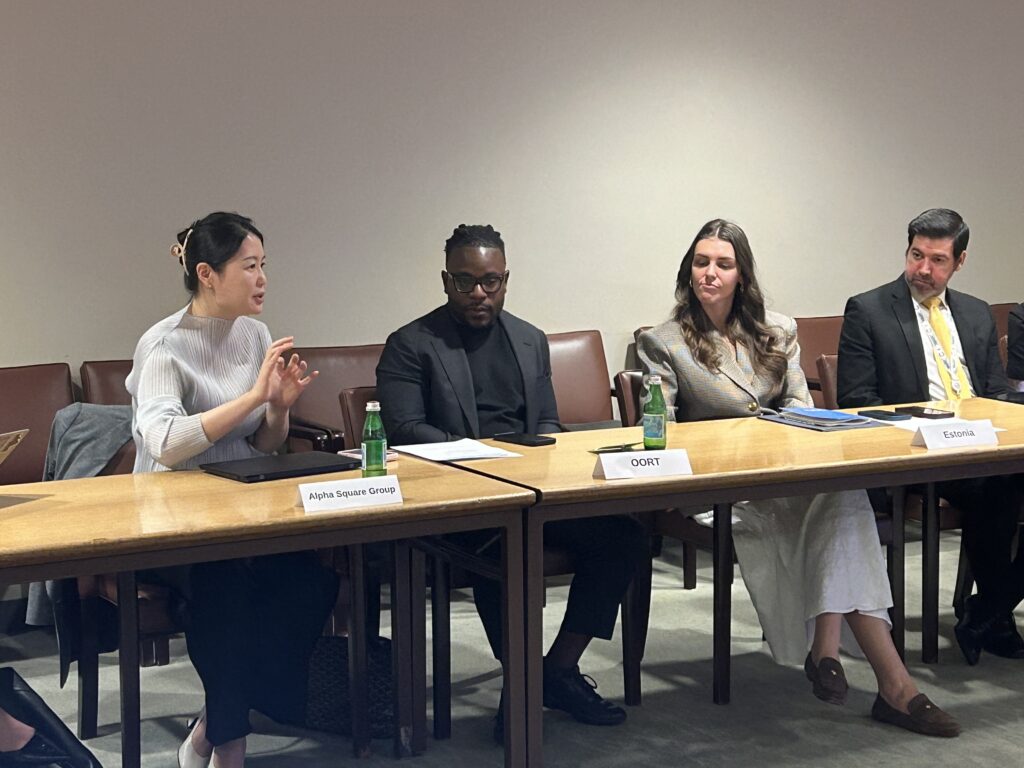
A central feature of the workshop was the keynote lecture delivered by Dr. Max Li, Professor of Electrical Engineering at Columbia University, Founder and CEO of OORT, and Chairperson of the BAI Technology and Innovation Committee. Dr. Li shared his vision of AI-enabled institutional transformation and explored how Multi-AI Agent Systems (MAAS) could reshape organizational structures, improve productivity and support more effective public institutions.
The academic segment further demonstrated BAI’s commitment to bringing leading scholars and researchers into UN discussions. Experts from Columbia University, New York University and the New Jersey Institute of Technology examined emerging research trends, ethics, accountability, data governance, workforce transformation and public trust in artificial intelligence.
The Policy Roundtable highlighted the importance of multistakeholder cooperation and featured representatives of governments, the United Nations system and the private sector. Discussions focused on AI governance, public sector modernization, digital sovereignty, capacity-building, international cooperation and the growing significance of AI infrastructure, including data centers, energy requirements and sustainability considerations.
Throughout the workshop, participants emphasized that artificial intelligence is rapidly becoming a strategic issue for governments, international organizations and public institutions. The discussions underscored the need for trusted governance frameworks, human-centered approaches, capacity-building initiatives and stronger international cooperation to ensure that AI contributes positively to sustainable development.
For BAI, the workshop represented more than a single event. It demonstrated the organization’s ability to convene decision-makers, technology leaders, academics and international organizations around practical and policy-oriented discussions on artificial intelligence. The event also reaffirmed the value of creating direct channels of communication between innovators and policymakers, helping bridge the gap between technological development and public sector implementation.
Building on the success of the workshop, BAI intends to continue strengthening its cooperation with Permanent Missions to the United Nations, UNITAR, UN system organizations, universities, technology companies and investors. Future initiatives will focus on artificial intelligence and public administration, AI-enabled public services, AI agents for governments and Permanent Missions, capacity-building for diplomats and public officials, regional AI dialogues, digital sovereignty, AI infrastructure and public-private partnerships supporting responsible innovation.
As a non-governmental organization in Special Consultative Status with ECOSOC, BAI remains committed to serving as a bridge between policy and innovation and to ensuring that the benefits of emerging technologies are shared broadly and contribute to the achievement of the Sustainable Development Goals. Through partnerships with governments, international organizations, academia and the private sector, BAI will continue expanding its platform and supporting inclusive, responsible and human-centered approaches to artificial intelligence in the years ahead.