BAI conducts strategic business mission to the Republic of Moldova
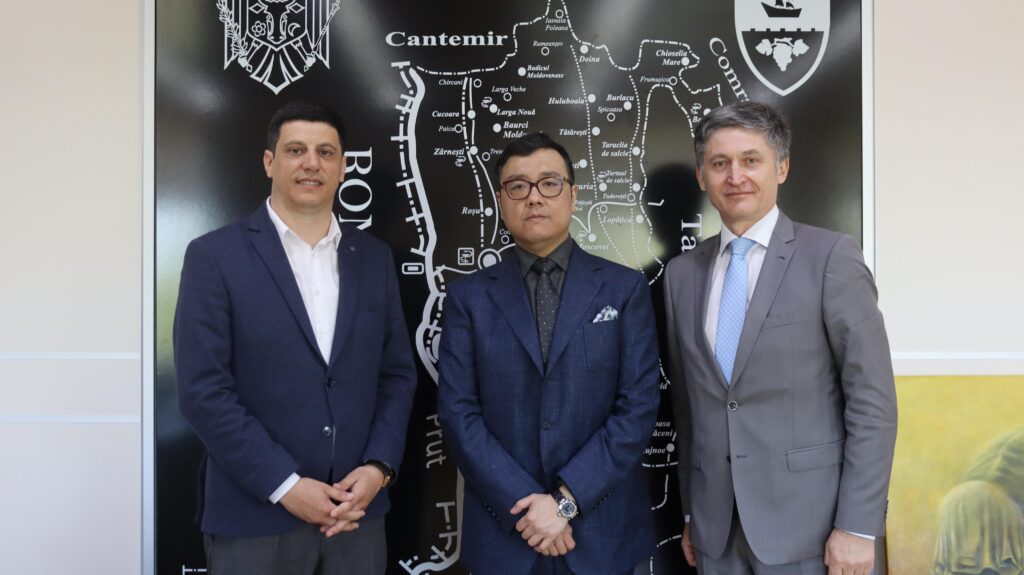
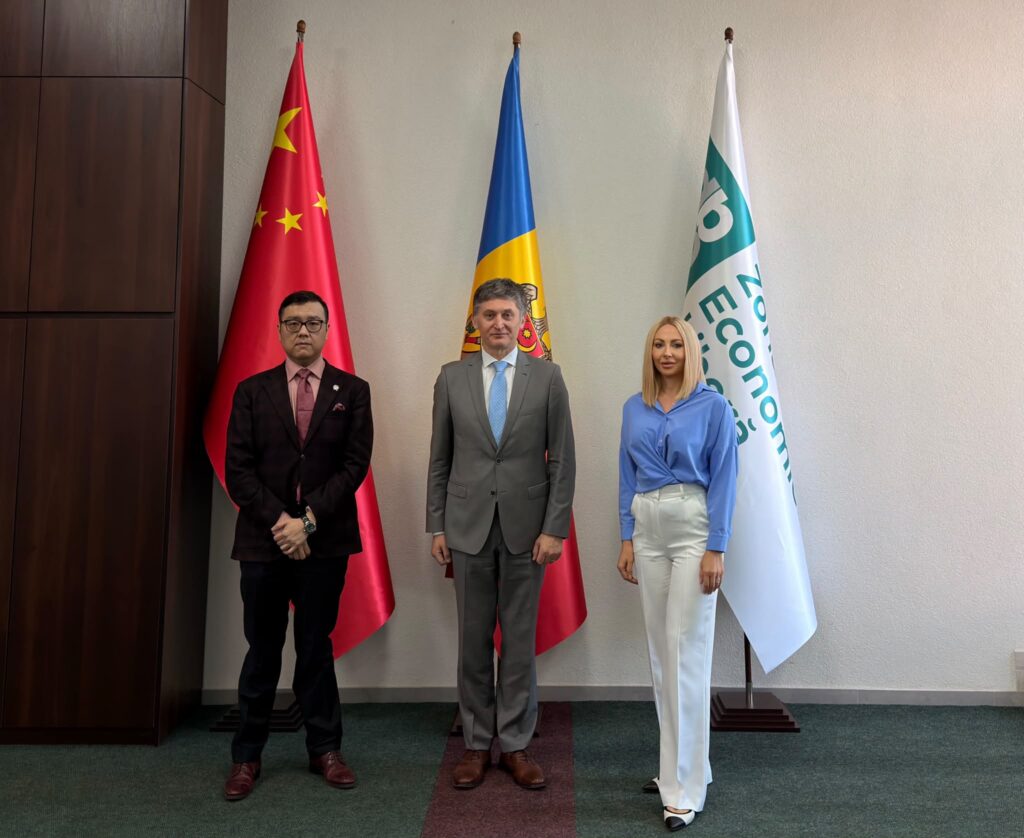
During the month of May 2026, Blockchain Alliance International successfully completed a ten-day business and investment mission to the Republic of Moldova, led by Ambassador Alexandru Cujba, Founder and Executive President of BAI, and Mr. Tian Gang, Director of BAI Global Development and Strategic Partnerships Office.
The mission was designed as a practical assessment of Moldova’s economic, industrial and innovation potential and forms part of BAI’s broader efforts to strengthen international cooperation, facilitate investment opportunities and support sustainable development through partnerships among governments, academia and the private sector.
The visit also served as a pilot project for a new BAI engagement model that can be replicated in developing countries seeking to attract foreign investment, technology transfer, industrial cooperation and innovation-driven growth. The mission focused on assessing opportunities for business, industrial and commercial cooperation; exploring manufacturing and service facilities; evaluating energy generation and storage solutions; identifying joint-venture opportunities; and strengthening collaboration with government institutions, businesses and universities.
Broad engagement across key economic sectors
During the mission, the BAI delegation held extensive consultations with government officials, business leaders, innovators, investors and academic institutions across a wide range of sectors critical to sustainable economic development.
The discussions covered:
- Residential and industrial construction projects;
- Modern agribusiness and intensive agriculture;
- Agricultural machinery and land recovery technologies;
- Food processing, packaging and smart warehouse solutions;
- Renewable energy generation and energy storage systems;
- Industrial resilience and energy security infrastructure;
- Air technology and industrial engineering;
- Information technology and software development;
- Advanced manufacturing and vocational training;
- Academic research and innovation partnerships.
Particular attention was devoted to identifying practical opportunities for technology transfer, industrial modernization and international partnerships capable of supporting Moldova’s economic growth and competitiveness.
Energy, infrastructure and industrial modernization
Energy security and resilience emerged as one of the central themes of the mission.
Meetings with companies specializing in renewable energy generation, photovoltaic systems and energy storage technologies highlighted Moldova’s growing interest in diversifying energy sources and strengthening energy independence. Discussions explored opportunities related to utility-scale photovoltaic projects, decentralized energy systems, industrial energy solutions and next-generation storage technologies.
The delegation also examined industrial development opportunities linked to manufacturing, assembly facilities and infrastructure modernization. Participants emphasized the importance of combining reliable energy systems, modern logistics and workforce development in order to attract new investments and strengthen industrial competitiveness.
Innovation, technology and skills development
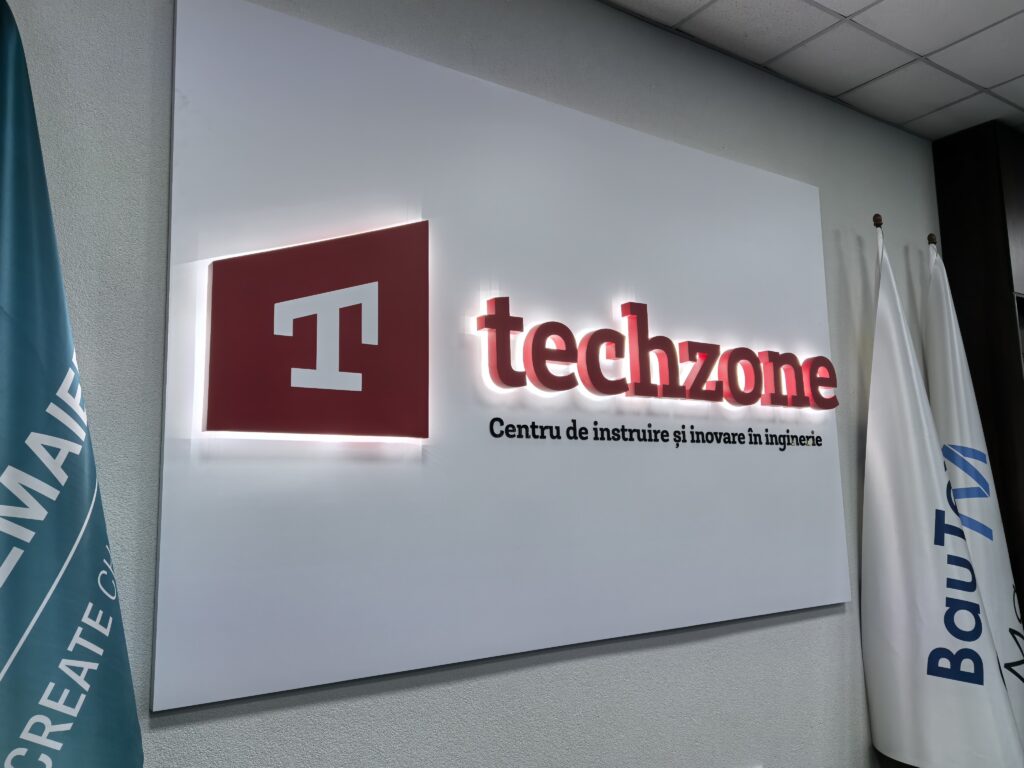
The delegation visited the Chișinău TechZone Center of the Balti Free Economic Zone, widely regarded as one of Moldova’s most dynamic industrial development platforms. TechZone prompted a particular interest as it provides specialized training in CNC equipment, robotics, laser technologies, industrial automation and advanced manufacturing processes.
The visit highlighted the importance of workforce development and technical education as essential components of long-term economic growth and industrial modernization.
Meetings with Moldovan IT companies and technology innovators further demonstrated the country’s growing digital capabilities and its potential to participate in emerging sectors such as artificial intelligence, software development and digital services.
Government and institutional partnerships
An important component of the mission involved engagement with governmental institutions responsible for investment promotion, regional development and economic cooperation.
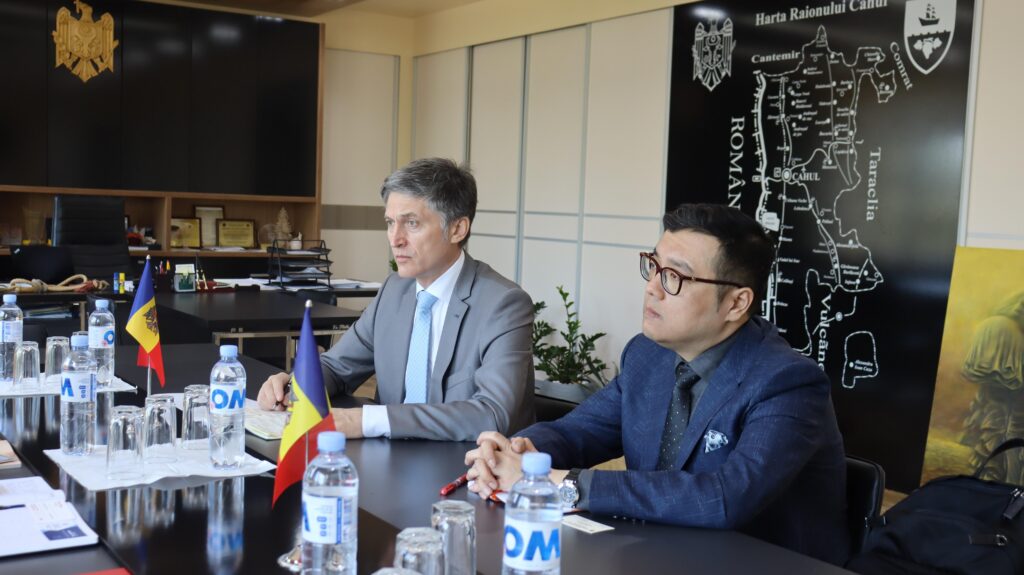
The delegation met with representatives of Invest Moldova, the national investment and export promotion agency, as well as regional and local authorities, including leadership of the Cahul region. Discussions focused on investment opportunities, regulatory frameworks, available incentives, industrial development priorities and potential areas for international cooperation.
The Moldovan Chamber of Commerce and Industry provided valuable insights into the country’s business environment and facilitated exchanges with representatives of the private sector interested in expanding international partnerships.
Academic collaboration
Recognizing the growing importance of knowledge-based economies, BAI also explored opportunities for academic and research cooperation.
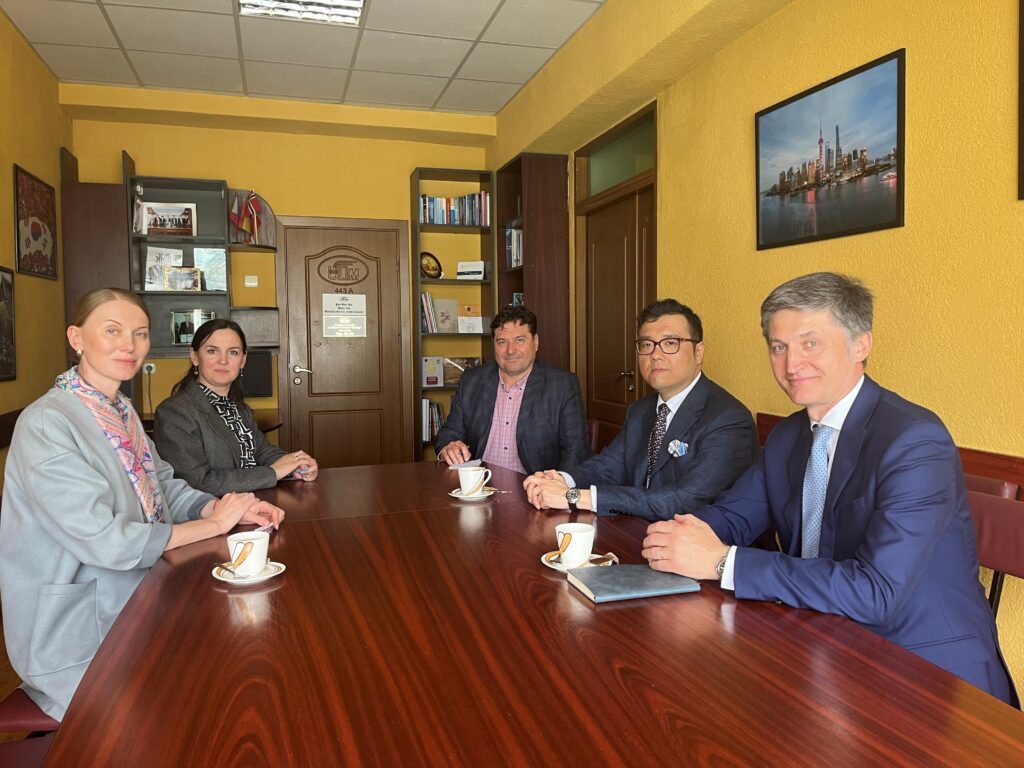
Meetings with representatives of the Free International University of Moldova (ULIM) focused on potential collaboration in education, innovation, technology transfer, entrepreneurship and capacity-building initiatives. Participants discussed opportunities for connecting academic institutions with industry partners and international stakeholders through future BAI programs and events.
Building a platform for international cooperation
The mission confirmed that Moldova offers noteworthy opportunities in sectors ranging from energy and manufacturing to agriculture, technology and education. Equally important, it demonstrated the value of a coordinated approach that brings together governments, investors, businesses, innovators and academic institutions.
For BAI, the Moldova mission represents more than a single country visit. It serves as a model for future engagement in developing and emerging economies, where international partnerships, technology transfer and practical cooperation can accelerate sustainable development and create new economic opportunities.
Building on the relationships established during the mission, BAI will continue working with Moldovan partners and international stakeholders to identify concrete projects, facilitate dialogue and support collaboration in areas such as energy, agriculture, manufacturing, digital transformation, education and artificial intelligence.
As BAI expands its global network, the organization remains committed to serving as a platform that connects decision-makers, entrepreneurs, innovators and researchers, transforming ideas into partnerships and partnerships into practical results.